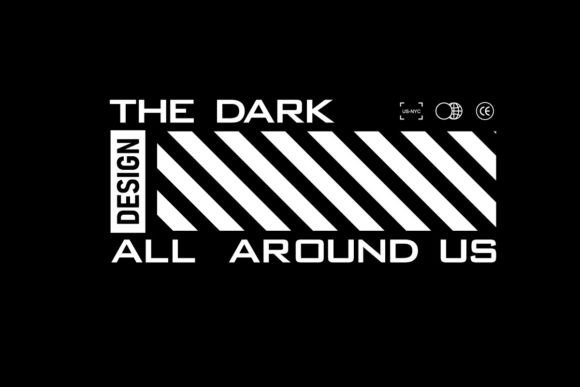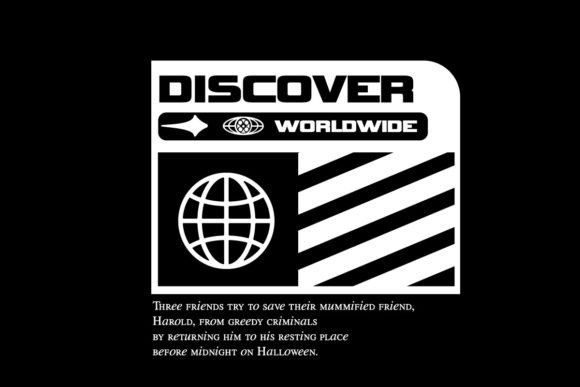
Discover Streetwear Graphic Design: Authentic Urban Edge
There's a certain energy in streetwear graphic design that goes beyond a simple image on a tee. It's about capturing a vibe, a subculture, a moment. When I first encountered the Discovers Streetwear Graphic Design collection, it wasn't just the bold visuals that stood out—it was the inherent attitude. This isn't clip art. It's a curated set of assets built for creators who understand that today's merchandise is a form of personal and brand expression. For designers, entrepreneurs, and small business owners, having access to high-quality, editable design assets like these can be the difference between generic and genuinely compelling.
Deconstructing the Visual Language: More Than Just a Graphic
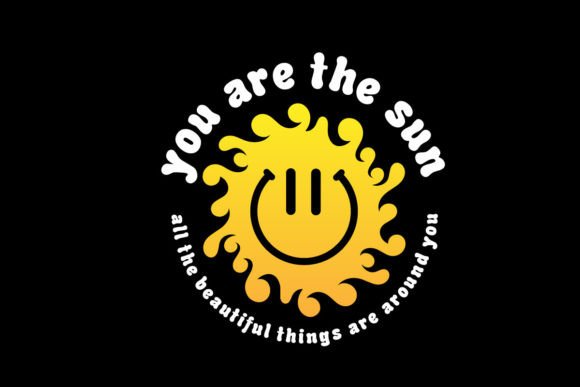
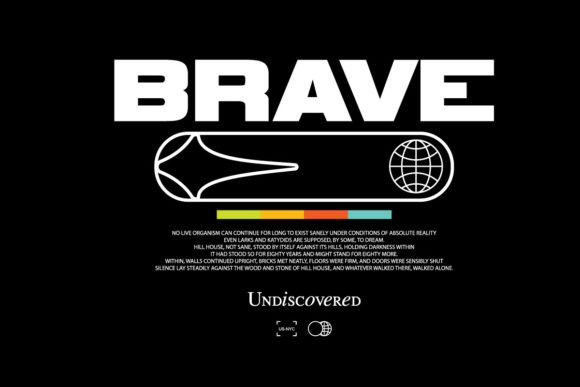
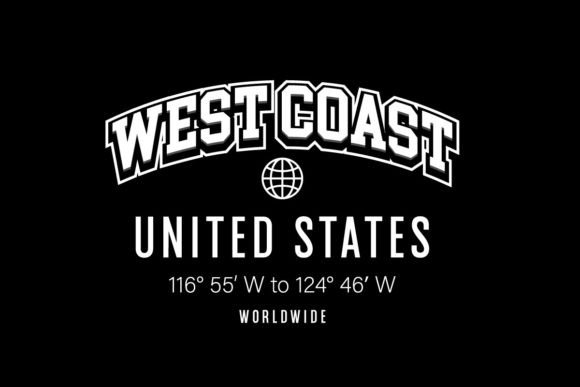
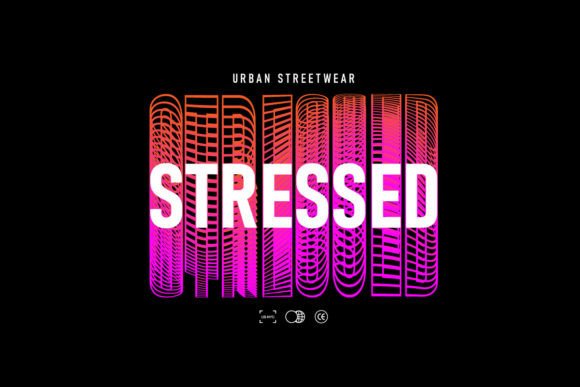
What defines the aesthetic of these streetwear designs? They live at the intersection of gritty texture and clean vector precision. You'll find motifs that speak to urban culture—abstract shapes, distorted typography, symbolic icons, and illustrative elements that feel hand-drawn yet digitally refined. The personality is unapologetic, modern, and often carries a sense of rebellion or individuality. This is modern typography meets graphic illustration, where the line between a display font and a standalone artwork blurs. The collection's strength lies in its versatility; a single design can be the cornerstone of a brand identity or a limited-edition drop.
The real value, however, is in the file format. Being delivered as 100% vector EPS files is a game-changer. Unlike rasterized images (like a standard PNG), vectors are built on mathematical paths. This means you can scale the Discovers Streetwear Graphic Design elements to the size of a billboard or the label on a bottle without a single pixel of quality loss. You have complete creative control: recolor to match a client's palette, remove an element that doesn't fit the composition, or integrate the graphic with a custom script font for a unique typographic lockup. The included high-resolution PNG with a transparent background is perfect for quick mockups or sublimation printing, but the vector source is where professional projects begin and end.
Practical Applications: From Screen to Street
So, where does this style of graphic design work best? Its applications are broader than you might initially think, spanning both digital and physical realms. For logo design, a simplified element from a streetwear set can form the basis of a memorable icon for an urban apparel brand, a music label, or a skate shop. In editorial design, these graphics can add a layer of visual interest to magazine layouts, blog headers, or album artwork, giving print and digital pages an contemporary, editorial punch.
The most obvious use is in packaging design and merchandise. Imagine these graphics on custom-printed clothing, tote bags, or sticker packs. They provide instant credibility and a cohesive aesthetic. For web design and social media graphics, they can be used as background textures, hero images, or animated elements to create engaging content that stops the scroll. The key is to treat these not as final products, but as foundational design assets. A skilled designer can pair a bold graphic from the collection with a complementary sans serif font for body copy, creating a balanced and professional layout that maintains the streetwise energy without sacrificing readability.
Integrating into Your Creative Workflow
Adopting a new set of graphics into your workflow requires a thoughtful approach. First, evaluate the project fit. Is the brand or product you're designing for aligned with urban, youth-oriented, or counter-culture aesthetics? A streetwear graphic might feel out of place on a luxury law firm's website, but perfect for a new independent coffee roaster. Next, test font pairings immediately. The graphic's style will dictate the typography it works with. A gritty, textured design might pair well with a handwritten font or a rough serif font, while a cleaner geometric graphic could support a sleek modern sans serif.
When you extract the ZIP file, take time to review all the included elements. Open the EPS files in vector software like Adobe Illustrator or Affinity Designer. Explore the layers, the color separations, and the individual components. This is where you discover the true flexibility. Can you isolate just the text? Can you change the stroke weight of an illustration? Understanding the anatomy of the asset allows you to use it creatively rather than literally.
Finally, consider the impact on brand perception and consistency. Using a cohesive set of graphics, like those in the Discovers Streetwear Graphic Design collection, across multiple touchpoints—from a website banner to a t-shirt tag to an Instagram post—builds a recognizable visual language. It communicates professionalism and intentionality, showing your audience that every detail is considered. For a small business owner or a content creator, this level of polish builds trust and engagement, transforming casual viewers into a loyal community that recognizes and resonates with your unique visual identity.